TECAR Therapy
About
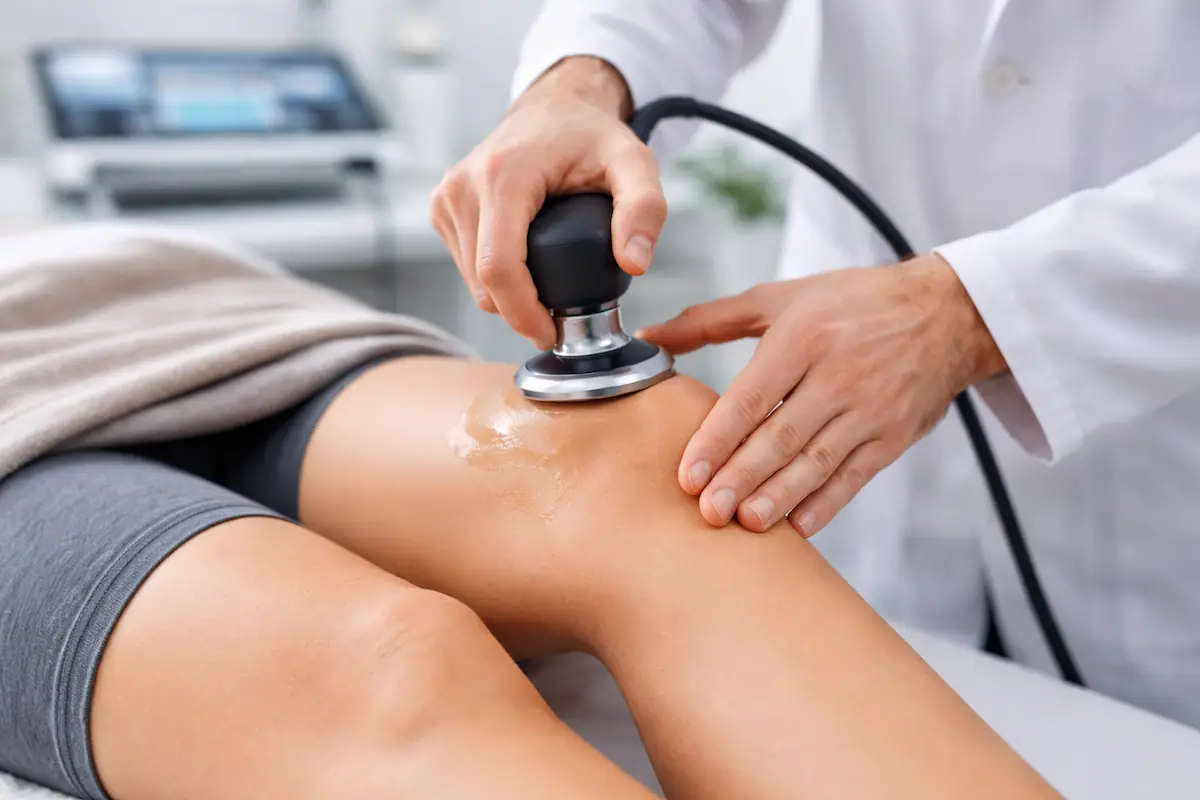
TECAR therapy is a non-invasive radiofrequency treatment used to stimulate tissue regeneration, reduce pain, and improve functional recovery in musculoskeletal conditions. The therapy works by delivering controlled radiofrequency energy into the body, generating endogenous heat within targeted tissues.
Unlike superficial heating modalities, TECAR therapy promotes deep biological activation at the cellular level. It enhances local circulation, supports oxygen delivery, and accelerates metabolic processes within muscles, tendons, ligaments, and joint structures.
TECAR therapy is commonly used in patients experiencing:
- Lower back pain
- Shoulder pain
- Knee pain
It is also applied in muscle strains, tendon overload syndromes, joint stiffness, and post-operative rehabilitation.
Mechanism of action
Radiofrequency energy creates a controlled thermal effect inside the tissues. This results in:
- Improved microcirculation
- Enhanced lymphatic drainage
- Reduction of inflammatory mediators
- Stimulation of collagen production
- Acceleration of tissue repair
The therapy can be delivered in different modes to target superficial or deeper structures depending on the clinical indication.
Technology and device options
TECAR therapy can be delivered using different medical radiofrequency systems. In some clinics, treatment is performed using the INDIBA device, which applies controlled radiofrequency energy designed to optimize deep tissue stimulation and regenerative response.
While device specifications may vary between providers, the therapeutic principle remains based on endogenous heat generation and activation of cellular repair mechanisms. The choice of system depends on clinical protocol and provider expertise.
Clinical role in rehabilitation
Before initiating TECAR therapy, a clinical evaluation is recommended to identify the underlying cause of symptoms. In many cases, musculoskeletal ultrasound examination is used to assess structural pathology and guide individualized treatment planning.
TECAR therapy is frequently integrated into a broader rehabilitation strategy that may include manual therapy, therapeutic exercise, and other physical modalities depending on patient needs.
Candidate
TECAR therapy is suitable for patients with acute or chronic musculoskeletal pain, soft tissue injuries, joint dysfunction, and post-surgical recovery needs. It is particularly beneficial for individuals with persistent lower back pain, shoulder dysfunction, or knee-related overload syndromes.
Preparation
No specific preparation is required. The treatment area should be easily accessible. Patients should inform the clinician about implanted electronic devices, pregnancy, active infections, or other relevant medical conditions.
Treatment
A session typically lasts between 20 and 30 minutes. A conductive cream is applied to the skin, and the therapist moves the applicator over the targeted region. Patients usually experience a comfortable warming sensation during the procedure. The number of sessions depends on the severity, chronicity, and functional status of the treated condition.
Result
Many patients report reduction in pain and improvement in mobility after the first sessions. Optimal results are generally achieved after a short treatment cycle combined with active rehabilitation and appropriate load control.
Precautions
TECAR therapy is generally safe. It is not recommended in patients with pacemakers or active implanted electronic devices, malignant disease in the treatment area, active infection, or during pregnancy in the treated region.
F.A.Q.
TECAR therapy (Transfer of Energy Capacitive and Resistive) is a non-invasive treatment that uses radiofrequency energy to stimulate tissue repair. It increases microcirculation, enhances oxygen delivery, and accelerates natural healing processes in muscles, tendons, ligaments, and joints.
TECAR therapy is generally comfortable and well tolerated. Patients typically feel a pleasant warmth in the treated area. The intensity can be adjusted depending on sensitivity and the clinical indication.
It is commonly used for muscle strains, tendonitis, joint pain, back pain, sports injuries, and post-operative rehabilitation. It is also effective in chronic inflammatory conditions and degenerative musculoskeletal disorders.
The number of sessions depends on the diagnosis and severity of the condition. Acute injuries may improve within a few treatments, while chronic conditions often require a structured treatment plan over several weeks.
TECAR therapy is not recommended for patients with pacemakers, active infections, malignancies in the treatment area, pregnancy in certain body regions, or severe circulatory disorders. A clinical assessment is required before starting treatment.

Send an inquiry for the treatment
Start your way towards a successful treatment today. Fill out the form with your data, choose the service you need and we will connect you with the top medical experts in Zagreb.