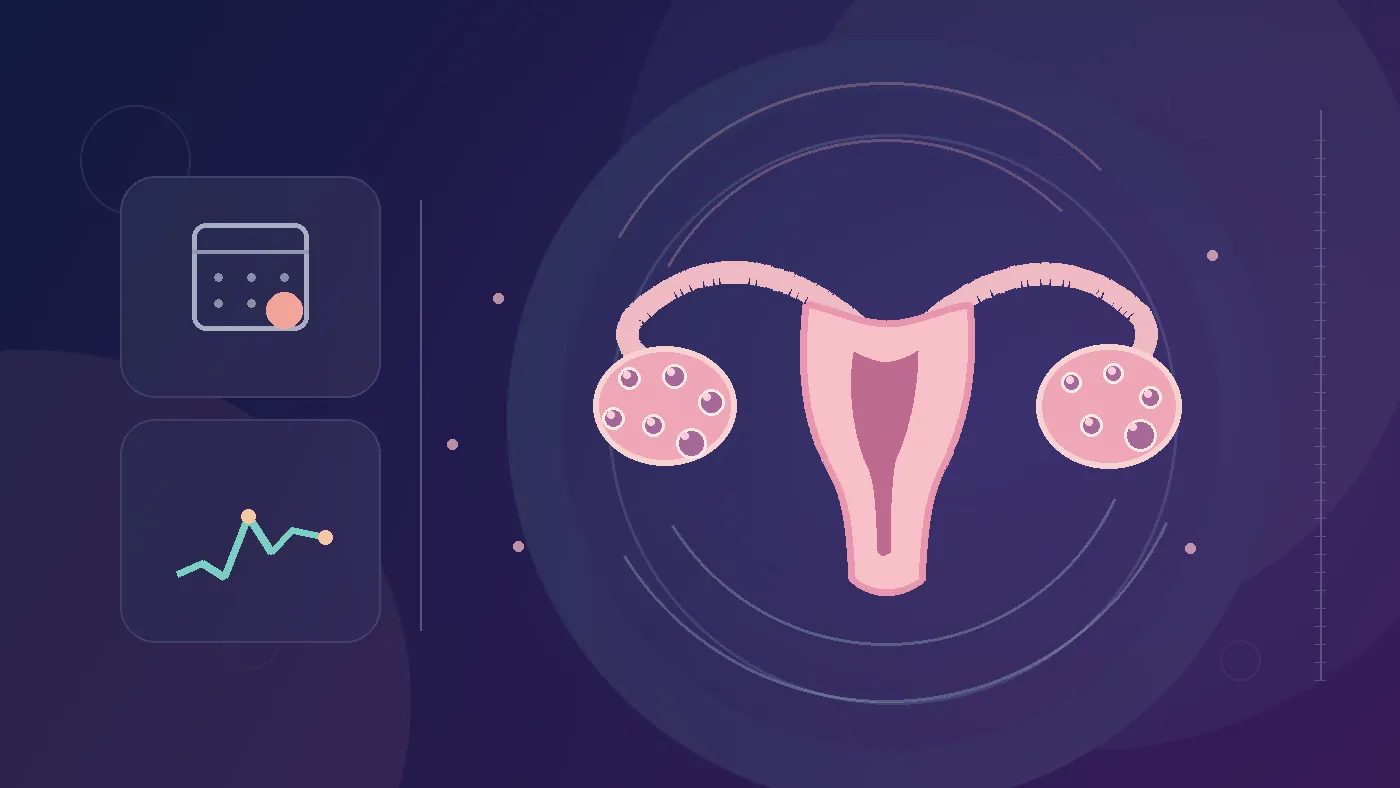
PCOS has a new name, but it is not a new disease
If you have been told you have polycystic ovary syndrome (PCOS), you may now see a different term in medical news or professional guidelines: polyendocrine metabolic ovarian syndrome (PMOS). An international consensus adopted the new name in May 2026. Both names describe the same condition. Your previous test results, diagnosis and treatment history have not suddenly become invalid because the terminology changed.
The new name is meant to help people understand that this is not simply a problem of ovarian cysts. PCOS/PMOS involves interactions between hormones, ovulation and metabolism. It can also affect skin, menstrual patterns, fertility and emotional wellbeing. International professional groups have supported using both terms during a transition, so patients can recognize their existing records and still find relevant information.
Why did specialists move away from the word “polycystic”?
The word can suggest that a person must have abnormal ovarian cysts to qualify for a diagnosis. That is incorrect. The small structures sometimes visible on ultrasound are follicles, not the same as the cysts that can cause an acute ovarian problem. People can have PCOS without a typical ultrasound appearance, and other people can have a polycystic ovarian appearance without meeting the criteria for PCOS. A diagnosis cannot be made by reading one line in an ultrasound report.
The new term PMOS emphasizes endocrine and metabolic features that can affect longer-term health. It also reduces the idea that a person with irregular periods, acne or glucose concerns should wait until an ovarian cyst is seen before asking for assessment. Importantly, the 2026 name change did not replace the clinical recommendations established in the 2023 international evidence-based guideline.
Does the diagnosis change when a doctor uses PMOS?
For adults, diagnostic assessment usually considers three areas: ovulation or menstrual cycle irregularity, clinical or laboratory evidence of increased androgen activity, and polycystic ovarian morphology measured by ultrasound or, under suitable circumstances, AMH. Generally, two of the three features are required after excluding other conditions that can produce similar findings.
If you have both clearly irregular menstrual cycles and hyperandrogenism, the clinician may be able to reach a diagnosis without ordering ultrasound or AMH for that purpose. Neither an ultrasound image nor a single AMH result is a stand-alone diagnosis. Conversely, having a normal-looking ultrasound does not automatically rule out the condition. Testing is chosen to answer a real clinical question, not to complete every item in a pre-set package.
Adolescents require a different approach. During puberty, some irregularity of menstrual cycles and ovarian appearance can occur as part of development. Clinicians assess persistent cycle disturbance together with evidence of hyperandrogenism. Ultrasound and AMH are not recommended for diagnosing PCOS/PMOS in adolescents. Where there are concerns without sufficient criteria, appropriate follow-up may be better than assigning a premature diagnosis.
Which symptoms and tests are relevant before a consultation?
Think beyond a single scan. Are your menstrual periods irregular? Do you have missed or absent periods for long stretches? Has there been a change in acne, scalp hair or unwanted facial and body hair? Are you trying to conceive, or are blood glucose levels and other metabolic concerns the main issue? The combination of symptoms matters more than any single one.
At an initial gynecological examination, the clinician may discuss your menstrual history, androgen symptoms, medicines, possible pregnancy, and tests that could rule out other hormonal explanations. An ultrasound can be helpful in selected cases. The doctor decides whether hormone testing, imaging, metabolic assessment or consultation with another specialist adds value.
PCOS/PMOS also deserves attention beyond reproduction. Guidelines recommend checking glycemic status at diagnosis and reassessing based on individual risk, commonly within a one-to-three-year interval. A 75-g oral glucose tolerance test (OGTT) is the most accurate recommended method for assessing glucose regulation in PCOS. Other tests such as HbA1c or fasting glucose may be used when OGTT is not possible, but have limitations. Lipids, blood pressure, sleep and emotional wellbeing can also be part of the discussion. The right tests are those that suit your situation, not necessarily a large laboratory panel.
How do treatment choices depend on your goals?
Someone concerned about unpredictable periods may need a different plan from someone mainly seeking treatment for acne or difficulty conceiving. When pregnancy is not planned, selected hormonal approaches can help with cycle regulation and androgen-related symptoms. Metformin may be considered for certain metabolic indications. These are clinician-led decisions that take other illnesses, medications and contraindications into account.
Nutrition, movement, sleep and psychological support can be valuable, but PCOS occurs at different body weights. Needing a diagnosis or appropriate care does not depend on weight loss. It is more useful to discuss realistic changes and individual health priorities than to assume a single diet or supplement will solve every problem.
If pregnancy is your priority, irregular ovulation may be one relevant factor, but the fertility evaluation should also consider sperm, fallopian tubes and other potential explanations. International guidance recommends letrozole as the preferred first-line pharmacological ovulation-induction option for PCOS-related anovulatory infertility when no other infertility factors are present. A reproductive specialist assesses suitability and local prescribing rules. IVF is not automatically the first step after a PCOS/PMOS diagnosis.
Preparing a PCOS/PMOS inquiry through ZagrebMed
For patients in Croatia or traveling to Zagreb, a practical first step is to gather available information instead of booking a broad set of tests independently. Bring a calendar of menstrual dates, earlier hormone and glucose results, an ultrasound report if you have one, a list of medications and supplements, and a short description of symptoms that concern you most. Mention whether you are currently trying to conceive or mainly want help with irregular cycles, skin changes or metabolic monitoring.
Through ZagrebMed, you can inquire about a PCOS/PMOS assessment and management pathway in Zagreb. The responsible clinician can determine whether further tests, gynecological or endocrine assessment, or fertility care is appropriate. A consultation does not automatically imply a particular procedure or medication.
When to seek care more quickly
Persistently absent or unpredictable periods and troubling skin symptoms merit planned assessment. A positive pregnancy test with pain or bleeding, very heavy bleeding accompanied by fainting or marked weakness, or sudden severe pelvic pain requires more urgent medical attention. Symptoms that develop rapidly, especially marked new androgen changes, should also be assessed for conditions other than PCOS. Do not use a routine website inquiry for an emergency.
Medical references
Monash University: International PCOS/PMOS Guideline and 2026 terminology update; ESHRE: PCOS-to-PMOS name change; ASRM: Understanding the new PMOS name.
F.A.Q.
PMOS stands for polyendocrine metabolic ovarian syndrome. The new name was adopted by international consensus in May 2026 to describe the hormonal and metabolic nature of the condition more accurately than the older term polycystic ovary syndrome (PCOS).
No. PMOS and PCOS refer to the same condition. A diagnosis made under the old name remains relevant, and the terminology update did not replace the clinical recommendations from the 2023 international guideline.
The ovarian appearance associated with PCOS often involves numerous small follicles, not the same as pathological ovarian cysts. The old name could incorrectly suggest that cysts must be present or that the condition affects only the ovaries.
No. An adult can meet the diagnostic criteria without a typical ultrasound appearance. Conversely, polycystic ovarian morphology on ultrasound alone does not establish PMOS; the clinician considers symptoms and other findings.
Clinicians generally look for two of three features: ovulatory dysfunction or irregular cycles, hyperandrogenism, and polycystic ovarian morphology on ultrasound or appropriately used AMH. Other conditions that can mimic these features must be excluded.
No. If an adult has both irregular menstrual cycles and clear clinical or biochemical hyperandrogenism, ultrasound or AMH may not be needed to establish the diagnosis. Neither test should be used alone as a diagnostic shortcut.
Yes. Adolescent assessment requires persistent menstrual irregularity and hyperandrogenism, interpreted in the context of puberty. Ultrasound and AMH are not recommended for diagnosing PMOS/PCOS in adolescents, and follow-up may be appropriate when the criteria are not yet met.
PMOS/PCOS may also affect metabolic health. Guidelines recommend checking glucose regulation at diagnosis and reassessing according to individual risk, often every one to three years. A 75-g oral glucose tolerance test is the most accurate recommended glucose assessment; lipids and blood pressure may also need review.
Yes. Many people with PMOS conceive, although irregular ovulation may make conception harder. A fertility assessment should also consider sperm and tubal factors. When indicated and no other infertility factors are present, letrozole is a recommended first-line medication for ovulation induction under specialist care.
Treatment depends on whether the priority is cycle regularity, androgen-related symptoms, metabolic health or pregnancy. Options may include individualized lifestyle support, selected hormonal treatment, metformin for appropriate indications and fertility care. Bring cycle dates, previous tests, medications, ultrasound reports if available and your main goals to the consultation.