Treatment with hair follicle stem cells
About
Hair follicle stem cell treatment usually refers to emerging approaches involving autologous scalp tissue micrografts, which may contain a mixture of follicular cells and other tissue components. People with progressive thinning or early androgenetic hair loss may come across this option while looking for an alternative or addition to established hair care. It is not a standardized, proven way to create new follicles, and the label stem cell does not confirm what cells a particular preparation contains. ZagrebMed can help organize a dermatologist or hair-loss specialist assessment in Zagreb before patients make decisions about medical treatment, transplantation or an emerging procedure.
Key facts
- Clinical concern: Diagnosed pattern hair loss or selected thinning with remaining follicles.
- Approach being studied: Small autologous scalp micrografts and locally applied tissue suspensions.
- Evidence: Small clinical studies and early reviews, without large, consistent long-term comparisons.
- Not a hair transplant: Micrografts do not relocate intact follicular units to fully bald areas.
- First step: Scalp examination and investigation of the cause of hair loss.
- Alternatives: Indication-specific medications, other dermatologist-guided treatments and transplantation.
- Limitations: No guaranteed hair growth, permanent density gain or universal protocol.
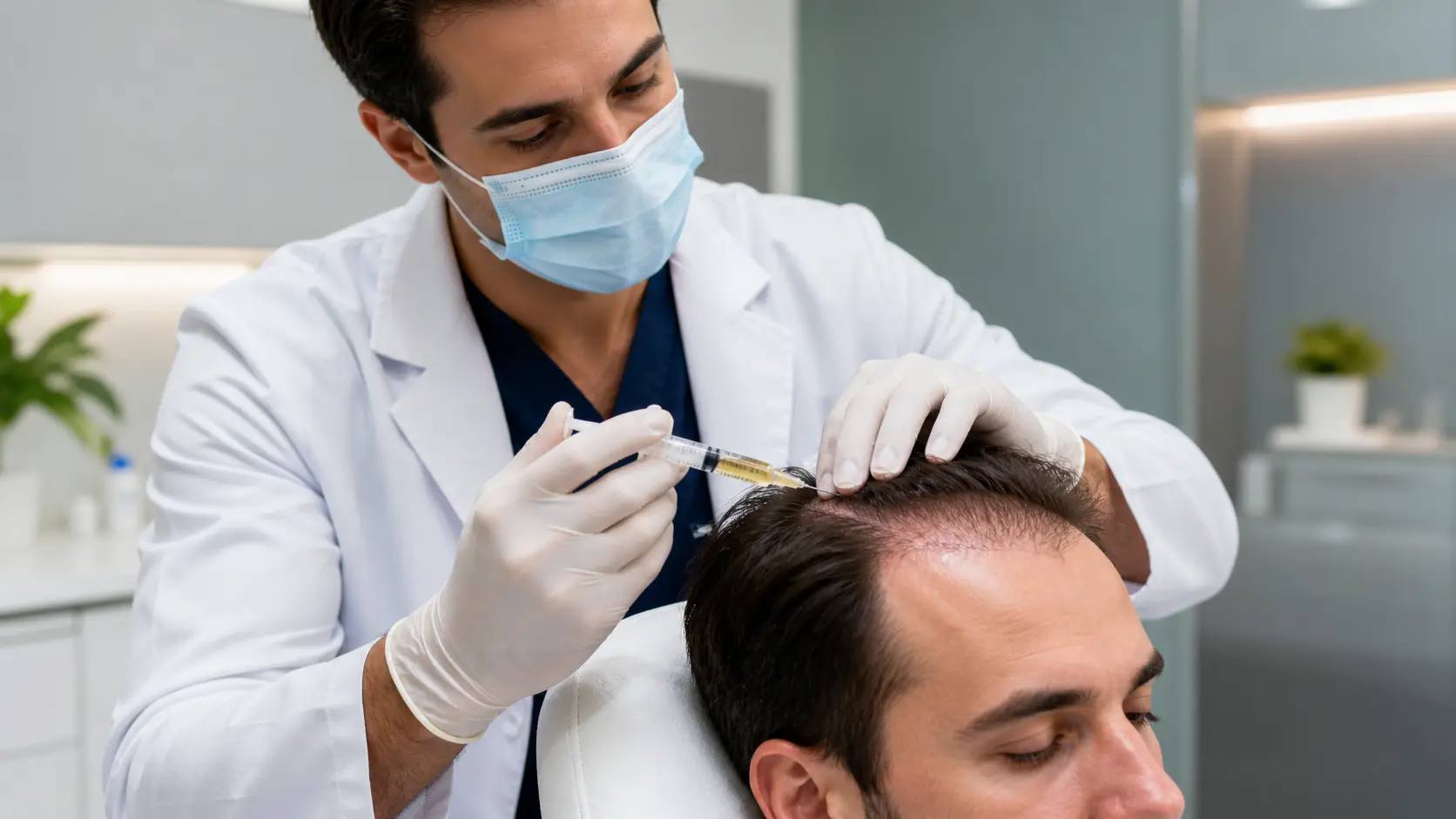
What does hair follicle stem cell treatment mean?
Hair follicles contain specialized cell populations involved in hair growth and cycling. Research explores whether a small sample of hair-bearing scalp tissue can be processed into micrografts or a cellular suspension and applied to thinning areas. Such material may contain several cell types, extracellular components and signaling molecules. It is not necessarily a purified or standardized dose of hair follicle stem cells. This matters because cell composition, biopsy technique, processing and clinical use differ between studies and providers.
Which types of hair loss need a different approach?
Androgenetic alopecia causes gradual patterned thinning. Telogen effluvium can follow illness, medication changes, childbirth or nutritional problems. Alopecia areata, fungal scalp infection and scarring alopecia require different diagnosis and care. Redness, pain, scale, patchy sudden hair loss or loss of follicular openings should prompt assessment before any cosmetic intervention. A procedure aimed at follicle support cannot replace treatment of an inflammatory or autoimmune cause.
How reliable is the evidence?
Published research includes small studies of autologous micrografts in androgenetic alopecia and preliminary systematic reviews. Some studies report greater hair density or changes in hair counts, but participant numbers, product definitions, study quality, simultaneous treatments and follow-up vary. Evidence is not sufficient to guarantee regrowth or lasting benefit in routine use. Clinical results should be compared with established treatments, and marketing descriptions such as stem cell activation do not establish effectiveness by themselves.
How does it differ from hair transplantation?
Hair transplantation relocates intact follicular units from a donor region to a recipient region. Micrograft or cell-suspension approaches attempt to influence the environment around existing follicles rather than transplant sufficient intact follicles to cover a bald area. They should not be promoted as creating a new hairline where follicles are absent. For advanced androgenetic alopecia, the decision may instead involve medical stabilization and a consultation about hair transplantation.
What happens before treatment is considered?
The dermatologist asks about the pattern and speed of shedding, family history, scalp symptoms, current medications, previous treatments and other health factors. Examination may include dermoscopy or trichoscopy; laboratory tests are chosen when symptoms or history suggest an underlying cause. Depending on the diagnosis, established options may include topical minoxidil, selected prescription treatments, management of scalp disease and hair transplantation. Starting suitable treatment early can matter for preserving existing follicles.
What would an autologous micrograft procedure involve?
In studies, a small sample of scalp tissue may be obtained and mechanically processed to produce a micrograft suspension, which is then applied to a selected scalp area. Actual sampling, anesthesia, preparation, injection technique and number of sessions depend on the verified product and provider protocol. It would be misleading to describe a fixed biopsy size or guaranteed outpatient schedule for every procedure. Regulatory classification depends on the actual preparation and use, including how tissue is processed.
Recovery, safety and realistic results
Possible complications depend on the method and may include soreness or infection at donor or recipient sites, bleeding, scarring, changes in pigmentation and lack of meaningful improvement. Hair cycles are slow, so any assessment of effect requires follow-up and consistent photographs or trichoscopy. A short-term change in hair counts does not establish permanent benefit. Do not discontinue prescribed medications or ignore a progressive scalp disorder to pursue unverified regenerative treatment.
Why are micrografts not the same as purified stem cells?
Autologous scalp micrografts consist of processed tissue that may contain several cell populations and follicular components; calling them stem-cell therapy does not establish that a purified, standardized stem-cell drug is being administered. A 2024 study in female androgenetic alopecia and subsequent systematic reviews have reported preliminary improvements in some hair measurements, but participant numbers, protocols, controls and follow-up vary considerably. A 2026 systematic review compared autologous micrograft technology with finasteride using heterogeneous studies; this indirect comparison does not establish clinical equivalence or justify stopping a prescribed medicine. A dermatologist should first distinguish patterned hair loss from scarring or inflammatory alopecia and discuss better-established options where appropriate. Patients can explore medical dermatology and background on stem-cell procedures before deciding whether a specialist consultation is worthwhile.
Planning an assessment through ZagrebMed
Provide the pattern of thinning, duration, family history, medicines, current scalp symptoms, prior treatments and any dermatology reports or photographs. ZagrebMed can help arrange appropriate hair and scalp assessment in Zagreb, including discussion of established care. The consultation does not confirm that a particular stem cell micrograft procedure is offered.
Related symptoms and conditions
Read more about the concerns and their assessment: Hair thinning; Receding hairline; Hair loss.
Hair-follicle micrografts have limited evidence and are not substitutes for dermatological diagnosis or established alopecia treatment.
Candidate
People with diagnosed androgenetic alopecia or selected thinning where follicles remain may discuss emerging autologous scalp micrograft research during a hair-loss consultation. Their suitability cannot be determined from photographs alone. Sudden patchy loss, scarring disease, active scalp infection, unexplained shedding or untreated medical conditions require specific evaluation and treatment first.
Preparation
Bring a timeline of hair loss, earlier treatments and scalp symptoms, current medicines and relevant previous results. The clinician may perform scalp examination and trichoscopy and consider targeted blood testing if indicated. Before any micrograft procedure, ask about tissue source, processing, product composition, indication, facility and applicable authorization. Never stop prescribed medicines independently.
Treatment
Published scalp micrograft approaches may involve collecting a small autologous skin sample, processing it into a tissue or cell suspension and applying it to selected thinning areas. These are research-dependent descriptions, not a confirmed universal clinic protocol. Sampling, anesthesia, number of treatments, technique and availability depend on the particular method and provider.
Result
Small studies of scalp-derived micrografts in androgenetic alopecia report possible increases in hair counts or density, but the evidence remains limited and heterogeneous. A consistent, permanent increase in density or creation of new follicles in bald regions is not established. Results, if any, depend on hair-loss diagnosis, existing follicles and concurrent care.
Precautions
Tissue sampling and scalp application may cause temporary pain, bleeding, swelling, infection, scarring, pigment changes or insufficient improvement. Active scalp inflammation and unexplained rapid hair loss require a diagnosis first. Seek medical help for progressive redness, pus, fever or severe pain. The exact biological preparation and legal pathway must be identified before treatment.
Steps
Scalp assessment and diagnosis
Describe when the shedding began, its distribution, medications, family history and previous treatments. The dermatologist examines the scalp and may use trichoscopy or selected tests to distinguish patterned hair loss from inflammatory, scarring or medical causes. Mention sudden shedding, scalp tenderness, itching, redness, scaling or scarring because these findings may require different or more urgent care. Trichoscopy and selected investigations may be appropriate, but a diagnosis must come first.
Discuss established and emerging options
The clinician explains disease-specific options, including medication and potential transplantation. If autologous scalp micrografts are raised, the preparation, evidence, benefits, risks and actual availability are discussed without promising additional follicle formation. Compare the benefits, risks and duration of established medication and transplantation where relevant. Small micrograft studies cannot establish a reliable creation of new follicles or prove the procedure is superior to standard treatment.
Procedure only if specifically appropriate
If a defined and lawful micrograft protocol is available and suitable, the responsible provider explains tissue sampling, processing, local application, consent and follow-up. The initial assessment does not imply that the procedure will be performed. Before any intervention, ask about the tissue source, processing, sterility, lawful indication, treating clinician, facility and complication plan. Describing an intervention as regenerative does not establish product identity or legal authorization.
Monitor hair and scalp response
Follow-up may include standardized photographs, scalp examination and assessment of shedding or density over time. Continue medically appropriate treatment and seek help for wound infection, increasing inflammation or unexpected hair loss. Follow-up can use standardized photographs, symptom review and trichoscopy at appropriate intervals. Increasing pain, discharge, spreading redness or unusual inflammation requires medical assessment, not assumptions about a normal regenerative response.
F.A.Q.
No. Transplantation moves intact follicles; micrograft research generally targets remaining follicles and cannot be assumed to create a new hairline.
There is no reliable evidence that it creates sufficient new follicles in completely bald regions.
Some small studies show possible improvements in hair counts, but robust large trials and long-term results remain limited.
Yes. Sudden, patchy or inflamed hair loss requires diagnosis and condition-specific treatment before any cosmetic approach.
Send ZagrebMed a description of hair loss, current treatments and scalp symptoms, and any reports or photographs. A specialist can discuss appropriate options.
Send an inquiry for the treatment
Start your way towards a successful treatment today. Fill out the form with your data, choose the service you need and we will connect you with the top medical experts in Zagreb.