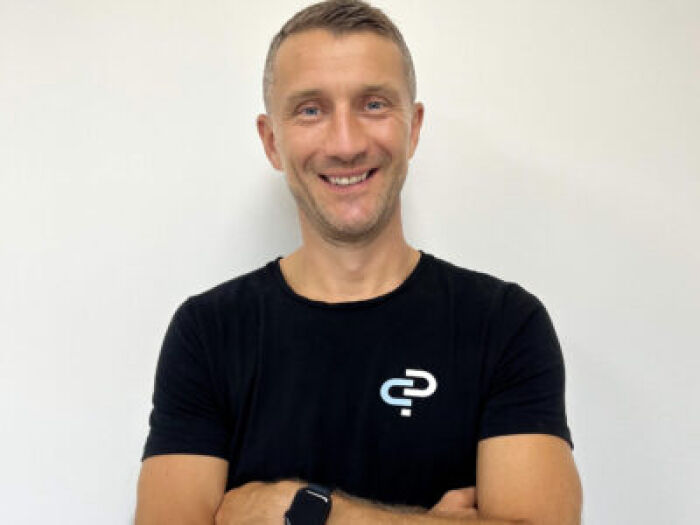
Kinesiology, sports rehabilitation, and injury prevention
Dr. Sasa Bascevan
Sports rehabilitation, diagnostics, and injury prevention
Patela is a Zagreb clinic centered on orthopedic examinations, physical rehabilitation, and sports diagnostics for patients who need clear evaluation, practical treatment planning, and structured recovery. Dr. Sasa Bascevan, co-owner and director of Patela, has a central role in the clinic’s rehabilitation and sports medicine direction, connecting orthopedic findings with functional recovery, movement quality, and return-to-activity planning.
Founded in 2009, Patela brings together orthopedic care and rehabilitation for sports injuries, joint pain, postoperative recovery, and musculoskeletal problems that affect walking, exercise, work, and long-term mobility. This clinical model is important because many patients need more than a diagnosis alone. They need a clinic that can identify the source of the problem, define the next step clearly, and support recovery in a structured way. Patela treats professional athletes, recreationally active adults, older patients, and people recovering after injury, surgery, overload, or long-lasting orthopedic pain.
Orthopedic examinations are one of the main entry points to care at Patela. Patients come with knee pain, hip pain, shoulder pain, ankle injuries, tendon problems, instability, limited range of motion, persistent symptoms after previous treatment, and recovery questions after surgery or trauma. The goal of the first examination is to define what is causing the symptoms, how advanced the problem is, whether previous imaging is sufficient, and which treatment path makes the most sense next.
That first step may lead to a orthopedic examination, review of MRI, X-ray, or ultrasound findings, a rehabilitation plan, or procedure-based treatment planning when indicated. This is especially relevant for ligament injuries, meniscal problems, cartilage damage, degenerative joint conditions, postoperative follow-up, and orthopedic complaints that have not improved with rest or previous conservative care.
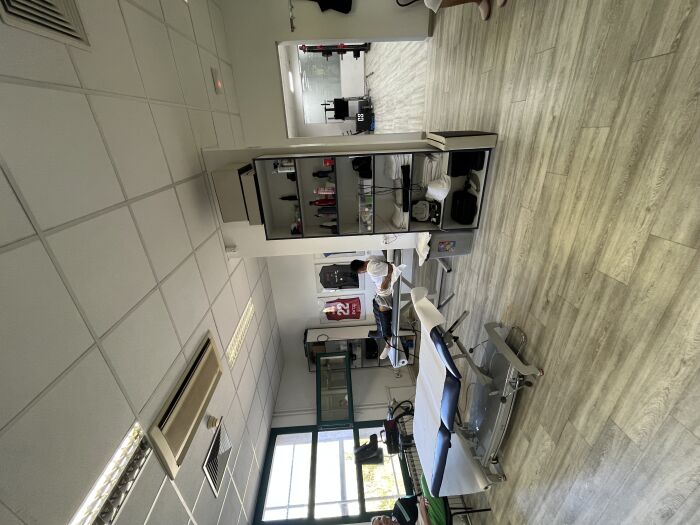
Physical rehabilitation is one of Patela’s main strengths and a central part of the clinic’s day-to-day work. It is built into the treatment pathway from the beginning, which is particularly important in sports injuries, postoperative recovery, chronic joint pain, muscle weakness, tendon overload, and return-to-sport or return-to-activity planning. Recovery in these cases depends on more than temporary symptom relief. It depends on movement quality, progression of load, function under stress, and a rehabilitation plan that follows the actual orthopedic problem.
At Patela, rehabilitation is closely aligned with orthopedic assessment. Patients may come for recovery after knee or shoulder procedures, rehabilitation after ligament or tendon injury, support after reduced mobility, or a structured program for safer return to movement. This pathway connects naturally with services such as physical therapy, knee arthroscopy and meniscus repair, and ACL reconstruction when the case requires both specialist orthopedic review and structured rehabilitation.
Patela’s orthopedic team is closely associated with Prof. Sasa Jankovic and Dr. Trpimir Vrdoljak. Their work is connected with sports orthopedics, arthroscopic procedures, ligament treatment, joint reconstruction, and the treatment of injuries and orthopedic conditions that affect both performance and everyday function. This gives Patela a strong role in cases where patients need specialist examination, conservative treatment planning, rehabilitation, or surgical direction within one coordinated pathway.
Sports medicine is an important part of the clinic’s identity, but Patela is not limited to elite competition medicine. The same clinical logic applies to non-athletes who want to reduce pain, recover safely, improve movement, and make a clear decision about what treatment should come next.
Sports diagnostics add an important layer to Patela’s work because orthopedic recovery often depends on more than how symptoms feel at rest. Patients may need a clearer picture of muscle performance, imbalance, movement quality, and readiness to return to training, work, or normal activity. That is why diagnostics fit naturally within the clinic’s wider orthopedic and rehabilitation pathway.
Patela’s musculoskeletal care also includes osteopathy and therapeutic massage. Together with orthopedics, rehabilitation, and diagnostics, this supports patients who need hands-on treatment, movement support, recovery work, or a broader non-operative care plan in the same clinic setting.
Send an inquiry with your symptoms, previous treatment, and any MRI, X-ray, ultrasound, or operative reports you already have. This helps direct you to the right orthopedic examination, rehabilitation plan, or next treatment step from the start.
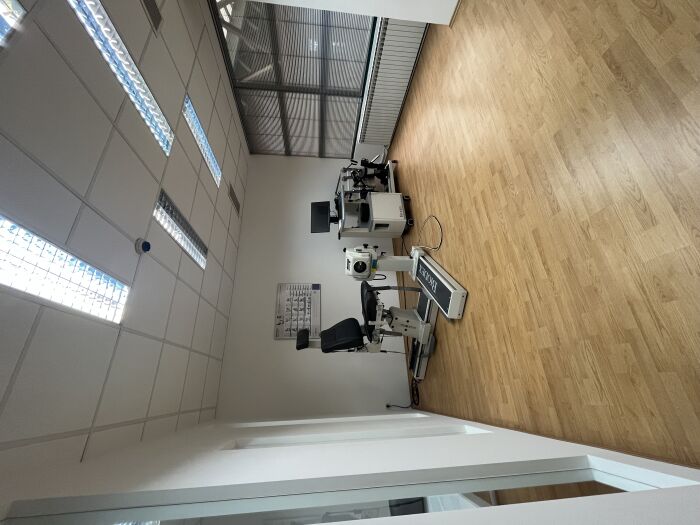
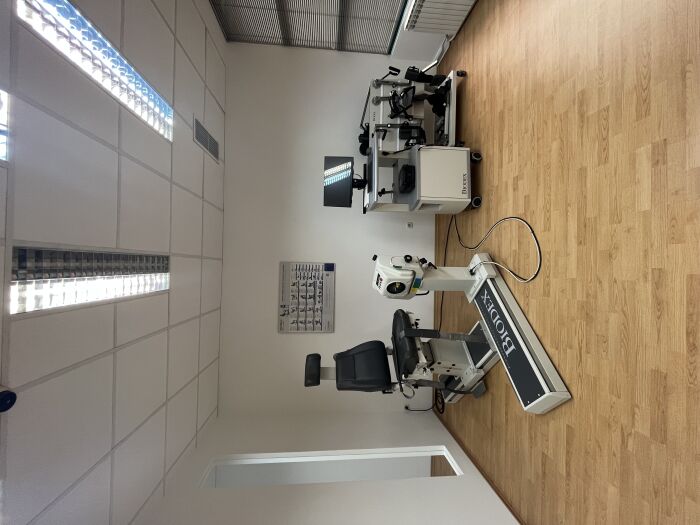
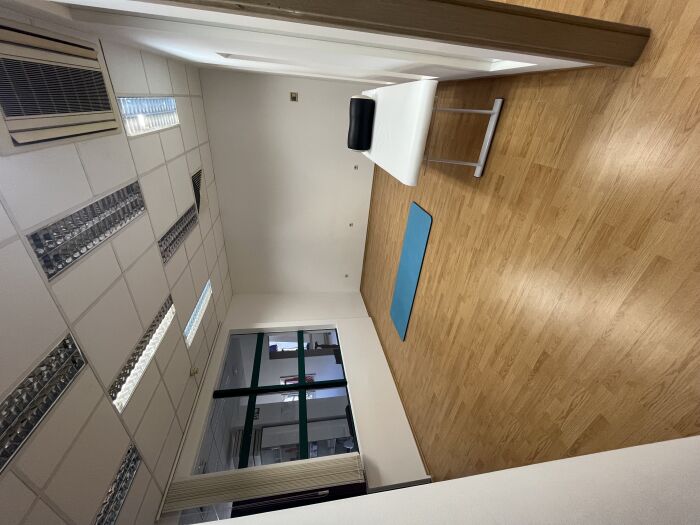
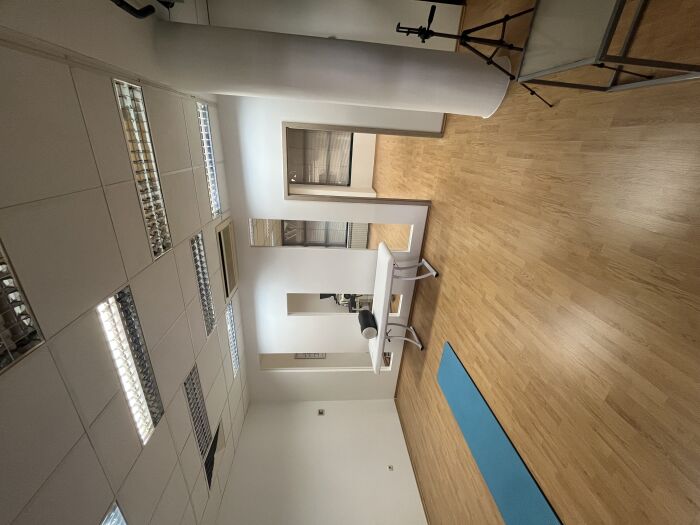
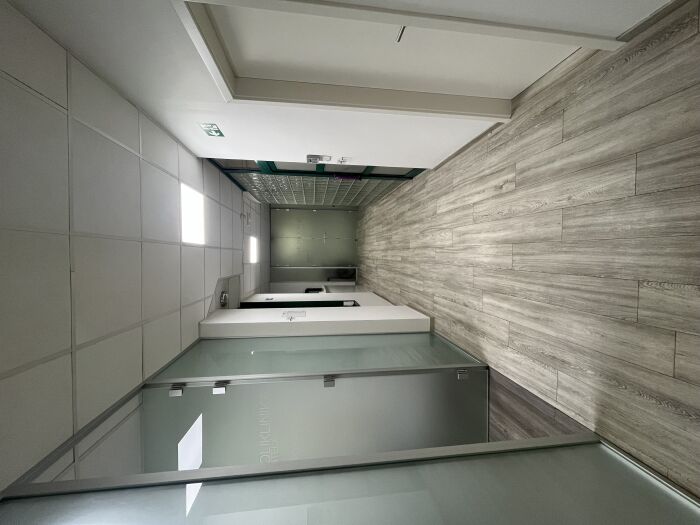
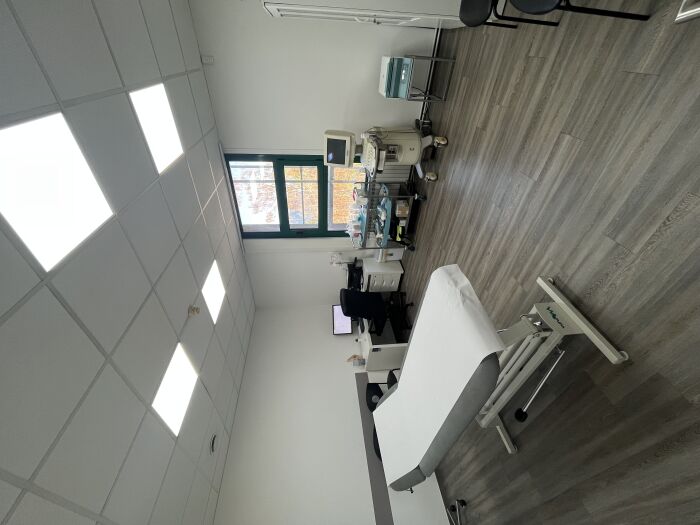
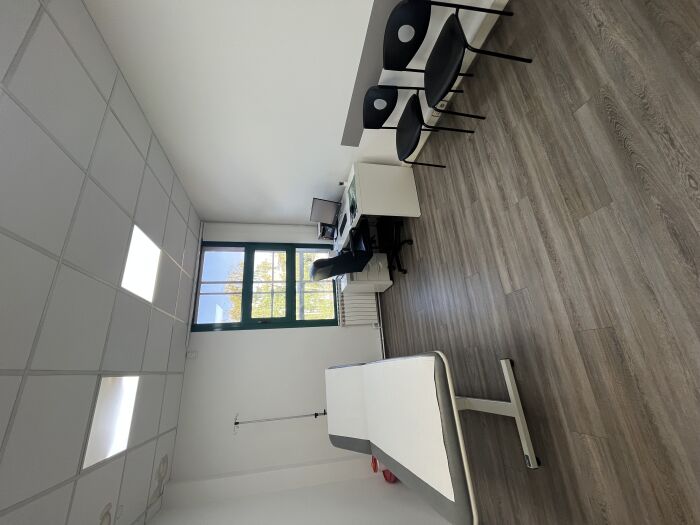
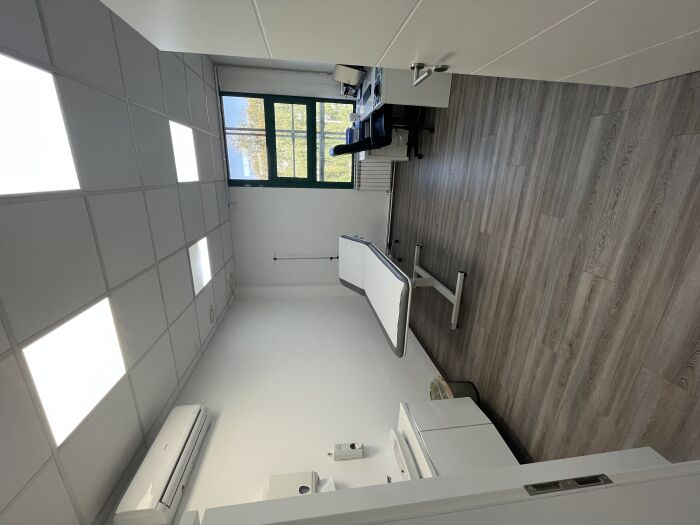
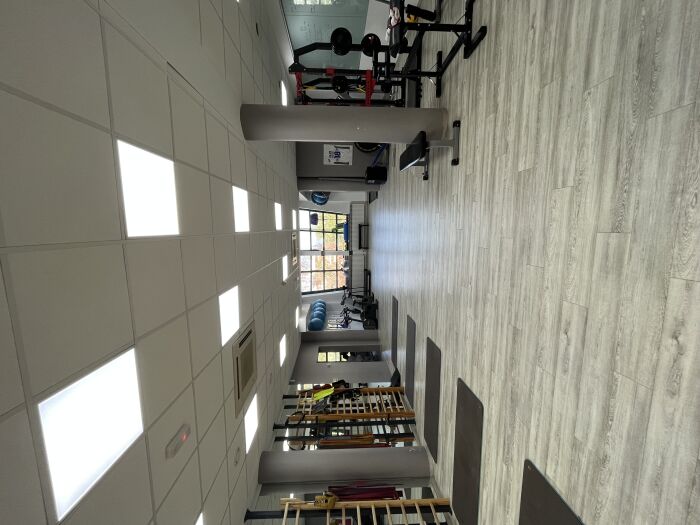
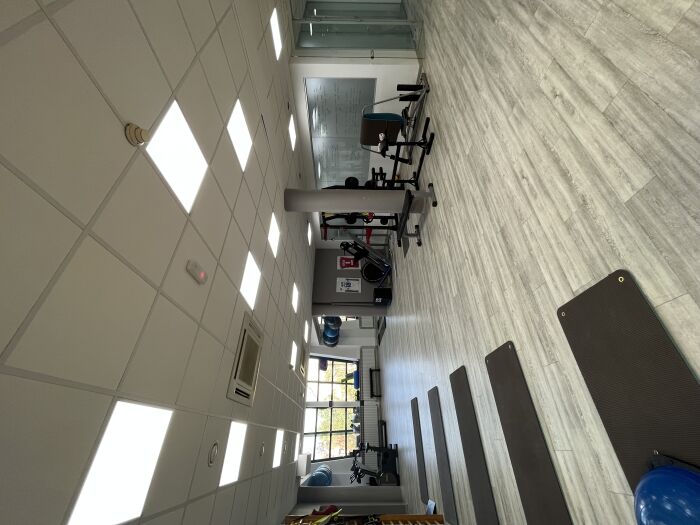
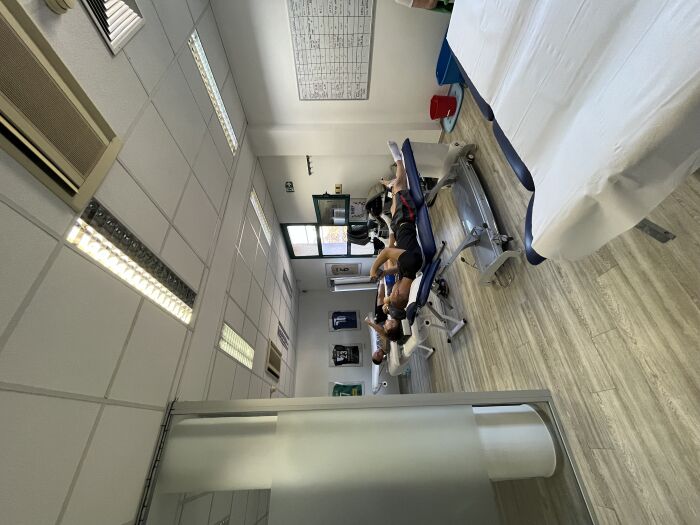
Patela is known for orthopedic examinations, physical rehabilitation, and sports diagnostics in Zagreb. The clinic focuses on sports injuries, joint pain, postoperative recovery, and musculoskeletal problems that affect movement, function, and return to activity.
Yes. Patela treats a wide range of knee problems, including sports injuries, meniscal and ligament injuries, overuse conditions, and patellar tendon pain. The first step is usually an orthopedic examination to define the cause of symptoms and the most appropriate treatment or rehabilitation plan.
Yes. Orthopedic knee examinations are one of the main reasons patients come to Patela. They are useful for knee pain, instability, swelling, limited movement, sports trauma, and symptoms that continue after previous treatment or surgery.
Yes. Physical rehabilitation is one of Patela’s core areas. It is closely connected with orthopedic evaluation and is used for recovery after injury, surgery, chronic pain, reduced mobility, and return-to-sport or return-to-activity planning.
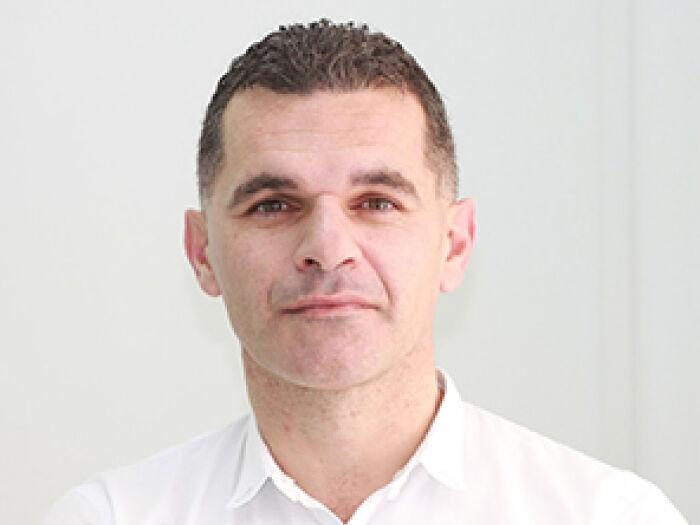
Dr. Sasa Bascevan is the co-owner and director of Patela and has a central role in the clinic’s rehabilitation and sports medicine pathway. His work is closely linked with physical rehabilitation, functional recovery, and movement-based treatment planning.
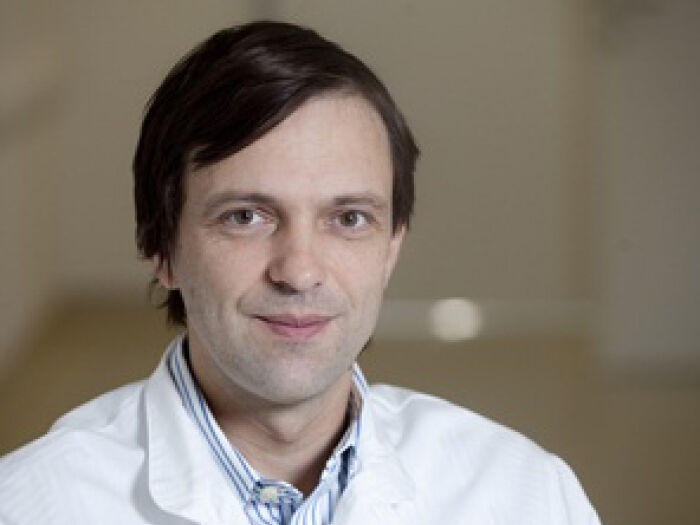
Prof. Sasa Jankovic is one of the key orthopedic doctors associated with Patela. His work is connected with sports orthopedics, arthroscopic procedures, ligament treatment, and broader orthopedic decision-making for injuries and joint conditions.
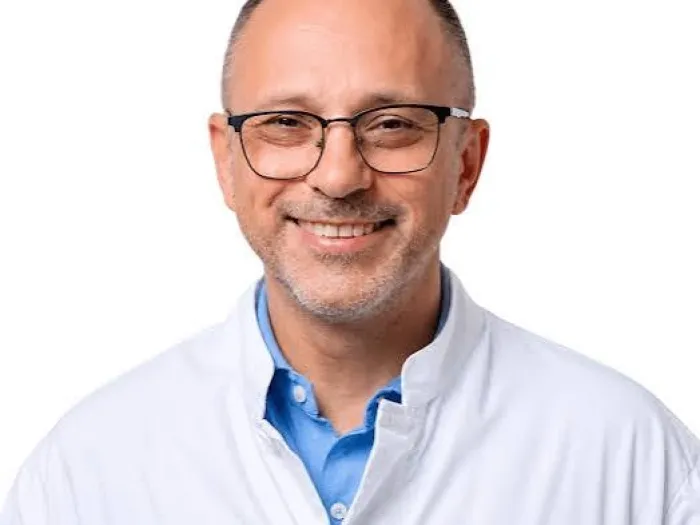
Dr. Trpimir Vrdoljak is one of the main orthopedic doctors associated with Patela. His work is linked with sports injuries, arthroscopic treatment, joint problems, and orthopedic care involving the hip, knee, shoulder, and postoperative recovery.
No. Patela works with professional athletes and recreationally active adults, but it also treats older patients and people who want to reduce pain, improve mobility, recover after surgery, or return more safely to normal daily movement.
Yes. Patela can help with follow-up orthopedic evaluation and structured rehabilitation after ACL surgery, meniscus surgery, and other knee procedures. This is important for recovery of movement, strength, stability, and return to activity.
It helps to send a short description of your symptoms, how long the problem has been present, what treatment you have already tried, and any MRI, X-ray, ultrasound, or operative reports you already have. This makes it easier to direct you to the right examination or rehabilitation plan.