
Heart and Circulatory Diseases: The No. 1 Cause of Death, and What You Can Do
Cardiovascular diseases remain the leading cause of death in Europe. In many cases, they develop silently over years, often driven by lifestyle factors such as stress, lack of movement, poor diet, smoking, and untreated high blood pressure.
Conditions like arteriosclerosis can progress without clear symptoms. However, early signs can often be detected through blood tests and structured medical check-ups. If risks are identified early, doctors can start treatment and lifestyle interventions before a heart attack or stroke occurs.
Additional diagnostic methods such as ultrasound examinations of the carotid arteries can also help assess stroke risk and support timely prevention.

A preventive consultation helps identify risks early and build a clear screening plan.
Cancer Prevention Saves Lives
Cancer is the second most common cause of death in Europe. The strongest advantage of prevention is early detection. Screening allows doctors to identify tumors at an early stage, when modern treatments offer the best outcomes.
Cancer prevention is not a single test. It is a strategy that combines medical history, individual risk evaluation, and the right diagnostic methods at the right time.
Colon Cancer Prevention
Colonoscopy is one of the most effective tools in cancer prevention. Most colorectal cancers develop from benign polyps that grow slowly over many years. During a colonoscopy, doctors can detect and remove these polyps before they become malignant.
This approach makes colonoscopy not only an early detection method but also a preventive intervention.

Colonoscopy can detect and remove polyps before they develop into colorectal cancer.
Women’s Preventive Care
Regular gynecological check-ups are essential for long-term women’s health. Pap smears and HPV testing play a key role in early detection and prevention of cervical cancer, while HPV vaccination has significantly strengthened prevention strategies worldwide.
Breast health is equally important. Modern diagnostic technologies such as ultrasound, 3D mammography (tomosynthesis), and MRI enable highly precise detection of early changes in breast tissue.
While younger women often attend screenings more frequently, the overall cancer risk increases with age. After menopause, regular check-ups become especially important and should remain a consistent part of healthcare routines.
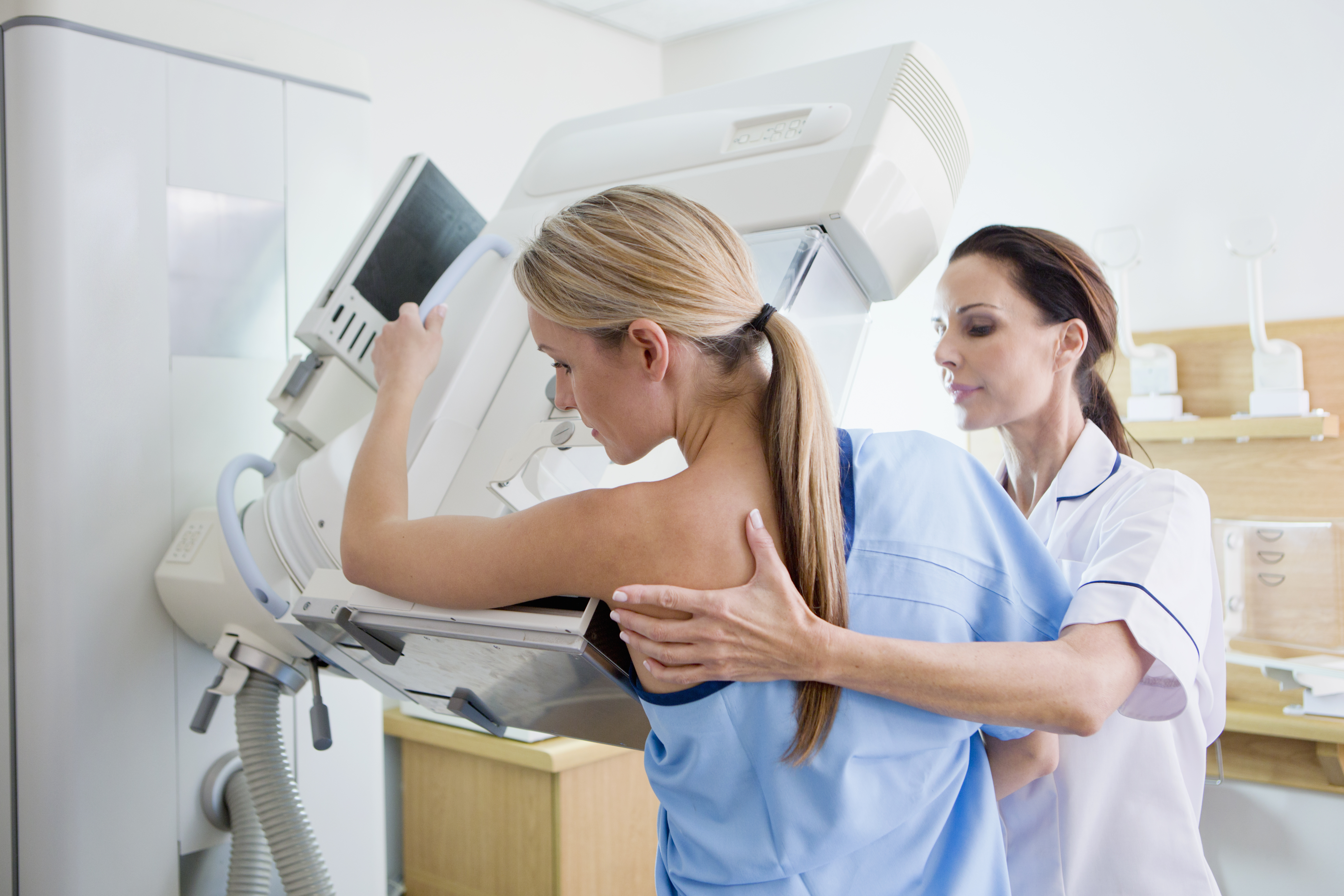
Modern imaging such as 3D mammography supports early and highly accurate breast cancer detection.
Men’s Preventive Care
Men often delay preventive doctor visits, even when risk factors are present. Regular screenings can detect conditions early, reduce complications, and improve quality of life.
Prostate cancer is among the most common cancers in men over 45. Routine urological check-ups can support early detection, which significantly improves treatment success.

Regular preventive visits support early detection of prostate and cardiovascular risk factors.
Skin Cancer Screening
Malignant melanoma is one of the fastest-growing cancer types worldwide, largely associated with increased UV exposure and insufficient sun protection.
While modern therapies have improved outcomes, prevention and early detection remain the most effective approach. Regular dermatological screenings, awareness of skin changes, and consistent sun protection are essential components of skin cancer prevention.
Why Cancer Screening Matters Even More With Age
Most cancer patients are over 65. Screening and early detection improve survival at any age, and age alone should not be a reason to avoid diagnostics.
Research shows that older patients can respond just as well to cancer treatment as younger patients. The most important factors are physical resilience, mental well-being, and overall health status, not the number of years.
Vaccinations: A Core Part of Preventive Medicine
Vaccinations protect health throughout life. A complete vaccination plan supports prevention from childhood through older age and remains one of the most effective tools in modern medicine.
Preventive Care at Mavie Med Private Hospitals
At Mavie Med Private Hospitals, most preventive examinations can be completed under one roof. Patients can choose structured health check-up programs or receive personalized screening plans based on their medical history and risk profile.
If additional specialized diagnostics are needed, they can be arranged quickly through an established network of partner institutions, ensuring fast and comprehensive care.
Take Control of Your Health Today
Your health is your most valuable asset. Whether you are looking for a comprehensive preventive check-up or a personalized screening strategy, medical experts can support you with structured diagnostics and clear guidance.
To schedule your consultation or request more information about preventive health programs, contact:
E-mail: international@mavie-med.at
F.A.Q.
A preventive health check-up is a comprehensive medical screening designed to detect health problems early, often before symptoms appear. It helps identify potential risks, prevent serious diseases, and protect your long-term health through early diagnosis and timely treatment.
Preventive screenings can help detect cardiovascular diseases, diabetes, metabolic and hormonal disorders, certain types of cancer, and other chronic conditions. Many of these illnesses develop silently, making regular check-ups essential for early detection and effective treatment.
A preventive health screening typically includes blood and urine tests, cardiovascular assessments, imaging diagnostics, cancer screenings, and medical consultations. The exact tests are tailored to your age, gender, medical history, and individual risk factors.
For most adults, an annual preventive health check-up is recommended. Some individuals may need more frequent screenings depending on their personal health risks, lifestyle, family history, or existing medical conditions.
Yes. Many serious health conditions develop without noticeable symptoms in the early stages. Preventive check-ups help detect hidden risks early, when treatment is most effective and outcomes are significantly better.