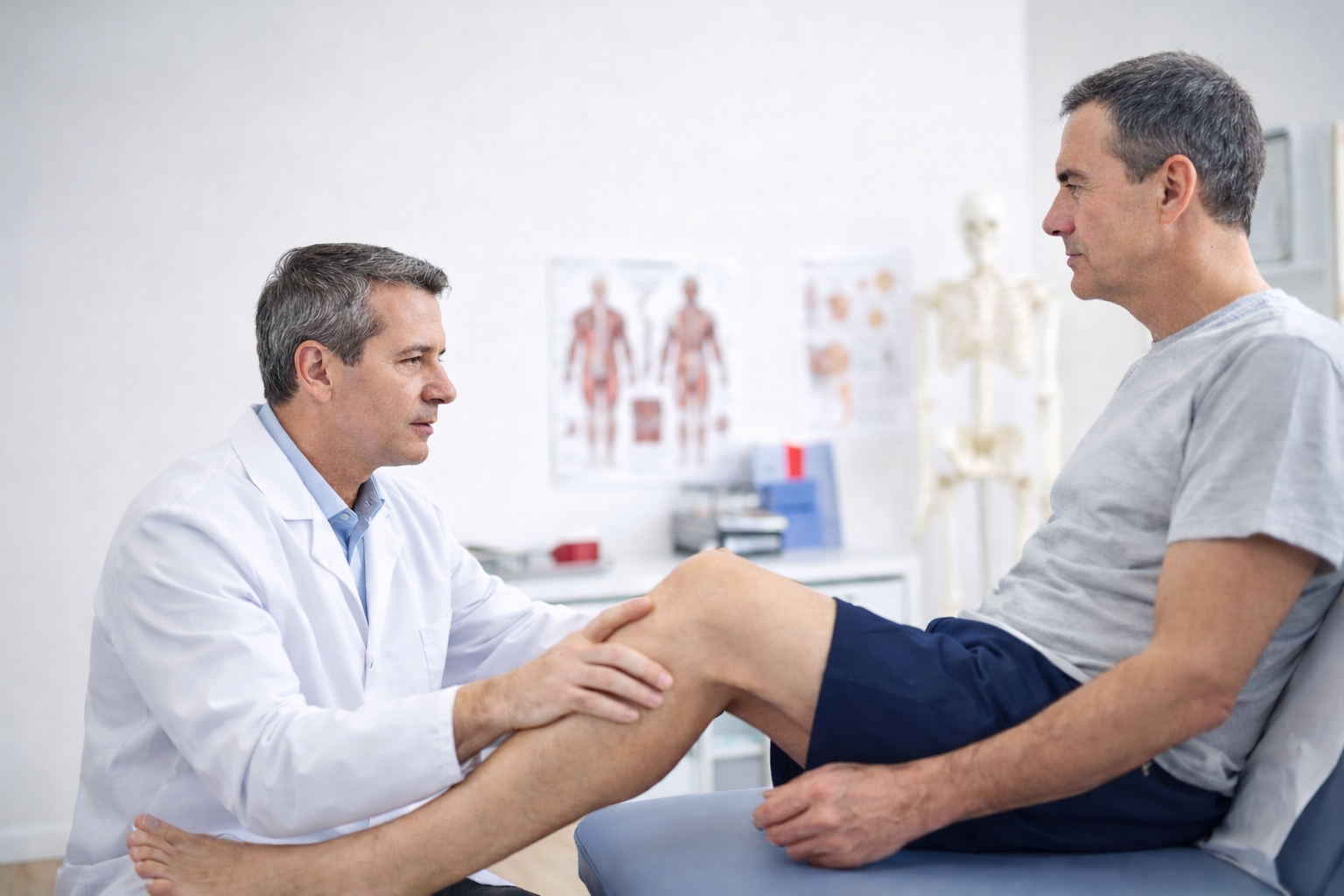
What Is a Physiatrist Consultation?
A physiatrist consultation, also known as a physical medicine and rehabilitation consultation, is a specialist medical examination focused on evaluating the functional status of the musculoskeletal and neuromuscular system.
Rather than concentrating on a single joint or isolated symptom, the physiatrist assesses how different structures work together, including muscles, joints, nerves, posture, and movement patterns. The goal is to identify the underlying cause of pain or limitation and to define a personalized rehabilitation plan.
When Should You See a Physiatrist?
Patients are often referred to a physiatrist when symptoms persist despite rest or basic treatment, or when pain begins to affect daily activities. A physiatrist consultation is commonly recommended in the following situations:
-
Chronic back or neck pain
-
Joint pain with reduced mobility
-
Muscle weakness or stiffness
-
Recovery after surgery or injury
-
Sports-related injuries
-
Postural problems related to work or lifestyle
Unlike emergency or surgical pathways, physical medicine focuses on conservative, function-oriented care aimed at restoring movement and preventing further deterioration.
How a Physiatrist Approaches Diagnosis
Diagnosis in physical medicine is based on a combination of clinical evaluation and functional analysis. During the consultation, the physiatrist reviews medical history, symptoms, previous injuries, and imaging results if available.
The physical examination includes posture assessment, range of motion testing, muscle strength evaluation, joint stability, and functional movement analysis. This approach helps identify not only where pain is located, but why it occurs.
In some cases, additional diagnostic procedures may be recommended to support clinical findings and ensure an accurate treatment plan.
What Does Treatment Usually Involve?
Treatment following a physiatrist consultation is individualized and depends on the diagnosis, functional goals, and overall health status of the patient.
A rehabilitation plan may include physical therapy, therapeutic exercises, manual techniques, patient education, and ergonomic adjustments for daily or professional activities. The focus is on improving function, reducing pain, and supporting long-term recovery rather than providing short-term relief only.
Physiatrist vs Orthopedist: Understanding the Difference
While both specialties deal with the musculoskeletal system, their roles differ. Orthopedists primarily focus on structural problems and surgical solutions, while physiatrists specialize in non-surgical, functional treatment and rehabilitation.
In many patient journeys, these specialties work together. A physiatrist often supports recovery before or after orthopedic treatment, ensuring that mobility and function are restored as effectively as possible.
The Role of Physical Medicine in Long-Term Health
Physical medicine and rehabilitation plays an important role in preventing chronic pain, disability, and loss of independence. By addressing movement patterns, muscle balance, and functional limitations early, patients can often avoid more invasive treatments later.
This specialty is particularly relevant for aging populations, physically demanding professions, and individuals who wish to remain active and independent over time.
Accessing a Physiatrist Consultation Through ZagrebMed
For international and local patients, navigating healthcare systems can be complex. Access to a physiatrist consultation through a structured medical network allows patients to connect with experienced specialists and verified healthcare providers.
ZagrebMed facilitates access to physical medicine and rehabilitation consultations across trusted private healthcare institutions, supporting patients throughout the diagnostic and rehabilitation process.
Why Early Functional Assessment Matters
Addressing pain and mobility issues early can significantly influence recovery outcomes. A physiatrist consultation provides clarity, structure, and direction at a stage when many patients feel uncertain about next steps.
Understanding how the body functions as a whole is often the key to restoring movement, reducing pain, and maintaining quality of life.